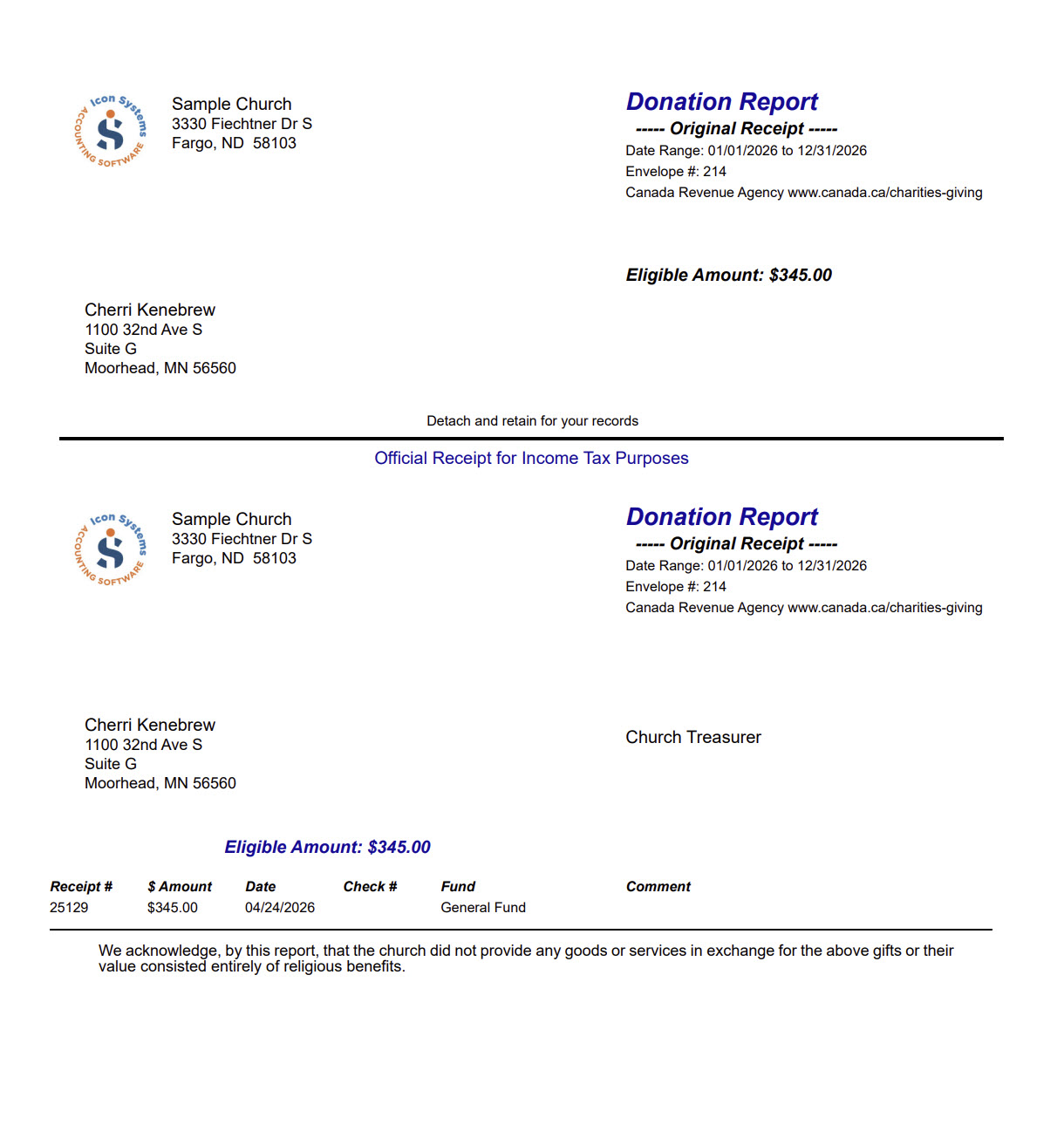

When donating, a person should never expect anything in return; however, many nonprofits are missing out on future donations by failing to give any feedback to donors. A simple thank you (email, newsletter, personalized note, postcard) goes a long way with donors. Traditional giving (eg. offline via a check) has long been the standard and currently represents the largest percentage of giving (79%). However, online donations (10%) are gaining traction with the younger generation as technology advances and demographics change. Simply put, the younger generation uses what they know—electronic devices. And most of them don’t have checkbooks! A greater understanding of online giving is paramount to nonprofits fulfilling their mission today and in the future.
Each Church must grapple with certain questions for themselves.
- Is it appropriate in our denomination to say thank you to our donors?
- Is the way we thank online donors different than the traditional donors?
- How should my organization best say thank you to our online donors?
- Is the receipt they receive from the payment processing company (eg: PayPal, Vanco, etc) adequate, or should the church send a separate thank you?
With my own experience, I found a dramatic difference between traditional and online donations to the same organization. Traditional giving was acknowledged more than online giving by some form of thank you. Additionally, my own experience was emulated by Kivi Leroux Miller in her blog post experiment titled “What I Got When I Gave.” She sent $20 donations to 10 different nonprofits online and only received 3 thank you messages—a 30% response rate. Pretty dismal.
As you can imagine this is a hot topic and people all have their views. Below are a few of the more common ones.
The only requirement is to send a donation letter when it is a one-time donation over $250.00.
While this topic is not about regulations set by the IRS, the question is—wouldn’t a little effort pay off for the church to thank smaller donations? Several questions come to mind.
- What kinds of donations keep nonprofits going, a few larger ones or many smaller ones?
- What kind of retention rate does an organization have when they rely only on large donations?
- Are donors appreciated the same no matter their level of donation?
- If organizations show appreciation for small donors, how will those donations increase if the donors become more affluent?
We could respond better if we could get the contact information from the payment processor or allow the payment processor to send the receipt.
Organizations express frustration about trying to get contact information from the payment processor to send thank you communications. Some people suggest you would get a better response if you donate through the organization’s own website instead of through a payment service. Regardless, what do your donors think when there is no follow-up? From my own experience, donors often send their donations elsewhere. Technology can be frustrating at times. Organizations may not have the contact information, reports that are needed, or a smooth process to follow. Still, there are times when somebody just has to plow through the work to get it done. The organization may have to make some calls to the payment processors or software vendors, figure out a process flow, or change the software altogether to facilitate a smoother process.
Most organizations don’t have the time to send individual thank you notes to everyone.
While I agree individually handwritten notes are extremely time-consuming, how much time does it take to send a generic email? Here is another point to consider from Kivi: how much time does a typical nonprofit spend on generic “outreach” like newsletters, with the purpose of generating new supporters? Wouldn’t those hours be better spent thanking current supporters that have donated to your cause? In my opinion, you already have someone to reach out to who gives you money and is interested in your cause, and you have their contact information. An old business saying comes to mind: keeping a client (past donor) is always cheaper than getting a new client (new donor). Let’s put it another way: donor relations = investment for future donations.
A few last comments
Shouldn’t nonprofits lead the way in courtesy? Saying thank you just comes down to good manners. As one commenter, Lisa, said, “Thank before you Bank!” It has a nice ring to it.
As social media is becoming more dominant in today’s culture, relationships and communication are built this way more than ever. Donations built upon relationships will grow while organizations that fail in relationship building probably will not last.
To increase donations, invite the donors to an open house of recently completed projects or the one they donated to. But avoid the mistake of asking for more money. Donors are not naïve about the cost associated with projects, and asking for more money will insult their intelligence. Instead, tell them about the upcoming projects that your organization is working on.
How do you think nonprofits should thank their online donors? What approaches will bring success?